
How should I get punched by a hornet for first aid?
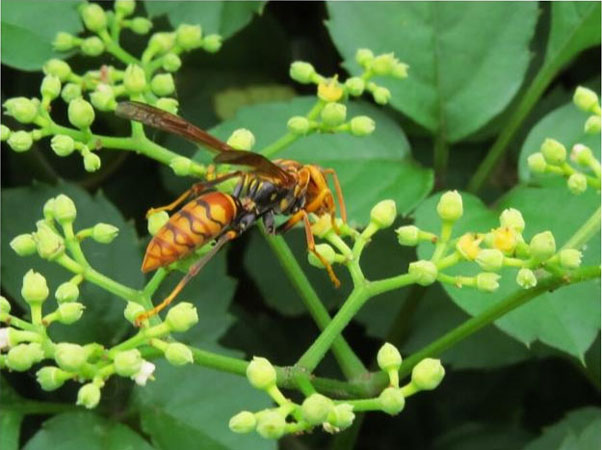
‘Stan’ is a species of insect in the family Vespidae. There are many species in Thailand. It is common in areas with trees, flowers, or water sources. If stung, you will get poison that can cause pain, swelling, redness, and itching. Today, we have good information to tell you if you are hit.Hornet stings must be first aid.First and foremost, how to be as safe and preventive as possible.
Danger of being stung by hornets
The poison of the hornet consists of many chemicals such as Formic acid, Histamine and Serotonin. These chemicals can trigger the body to react, such as swelling, redness, itching and burning pain. If stung by the hornet, the first aid is correct. These symptoms usually disappear on their own within 1-2 days. However, if there is a severe or allergic reaction to the hornet, severe allergic reactions may occur, such as difficulty breathing, swelling of the face, nausea, vomiting, hypotension, shock and death. There are two main types of hornet allergy:
Acute ● allergic reactions occur immediately or within 1 hour of being stung by a wasp; symptoms can be as severe as death.
● Chronic allergic reactions occur after multiple wasp stings; symptoms may not be as severe as an acute allergic reaction, but may cause discomfort.
What should I do after I get stung by a hornet?
1. Quickly wash the wound with clean water and soap to remove the poison from the body. The soap helps to dissolve the fat that is coated around the iron in the hornet, making the iron in the hornet easier to remove.
2. Cover the punched area with clear adhesive tape and carefully remove the inside of the iron, or use a knife blade or a credit card edge to remove the inside of the iron. The iron in the hornet has small fangs that are embedded in the skin. If the iron is not removed, the poison of the hornet may remain in the body and cause severe symptoms.
3. Cold compress the punched area with ice or cold cloth for 15-20 minutes to reduce swelling and pain. Cold water will help constrict blood vessels and reduce blood flow to the punched area, reducing swelling and pain.
4. Take painkillers, such as paracetamol, to relieve pain. Painkillers help suppress the pain signals from the brain, making it less painful.
5. Take antihistamines such as diphenhydramine to relieve itching. Antihistamines help inhibit the release of histamine, which is an itchy substance.
However, if the hornet stings and the first aid has not yet subsided and there are more of these symptoms, seek medical attention immediately.
● Severe allergic reactions such as difficulty breathing, swelling of the face, nausea, vomiting, hypotension
● There is a lot of swelling, redness, itching, or pain in the sting
● There is swelling, redness, or itching in other areas as well.
And here's how to deal with a hornet sting, as well as the basic first aid methods that you can easily do on your own and study in a collegiate manner.